
Floors · July 15, 2026
Epoxy vs Polyaspartic Garage Floors: Which Is Better?
Compare epoxy and polyaspartic garage floor coatings for Florida and Texas homes — durability, UV resistance, cure times, and cost factors.
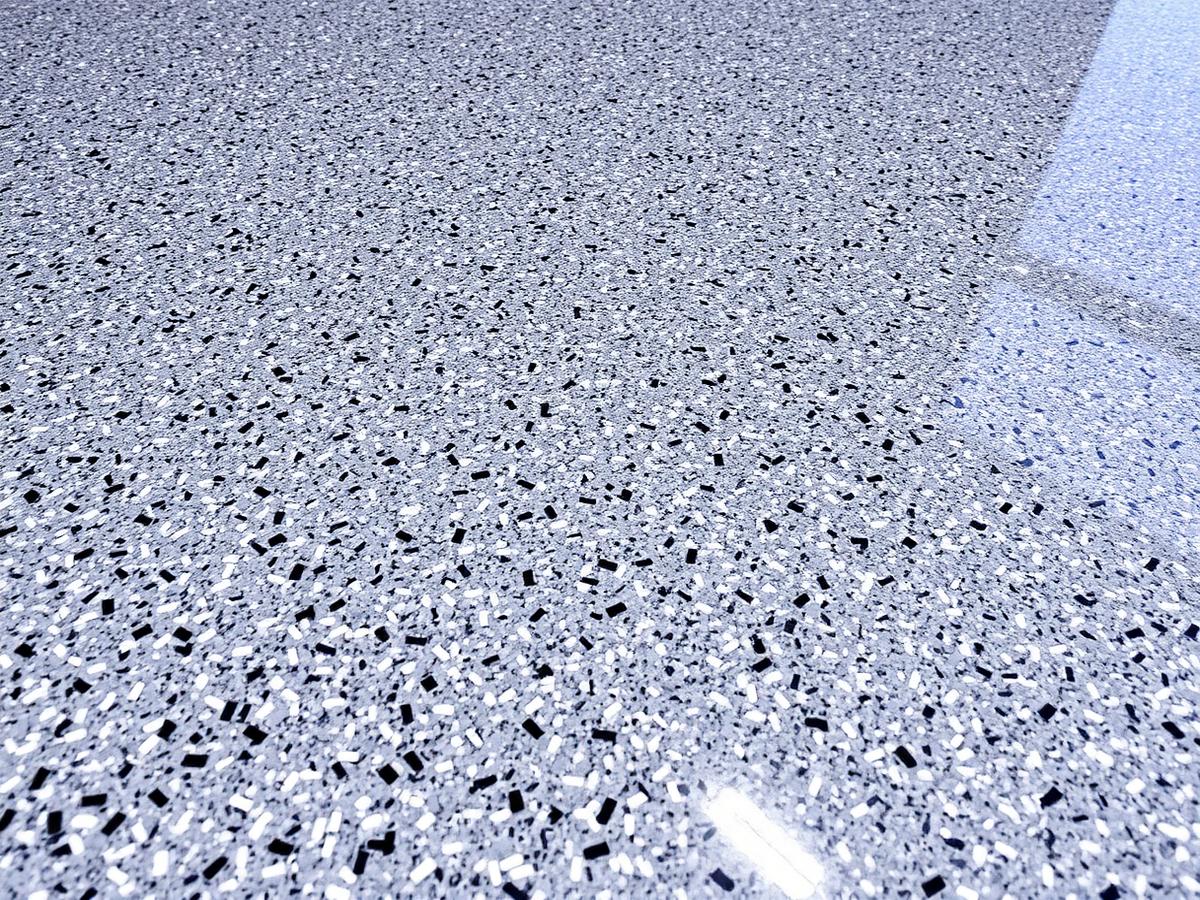
Choosing a garage floor coating is one of the highest-impact upgrades you can make. Two systems dominate residential installs: traditional epoxy and modern polyaspartic coatings. Both can look sharp, but they behave differently in heat, humidity, and daily vehicle use.
Epoxy has been the go-to for years. It bonds well, accepts decorative flake, and costs less upfront. In cooler, controlled climates it performs well. In hot garages — common in Texas summers and Florida sun — standard epoxy can amber in UV and take longer to fully cure if temperatures swing.
Polyaspartic (often paired with a polyurea base) cures faster, resists UV yellowing better, and stands up to hot tire pickup more consistently. Most of our full flake systems for Florida and Texas homes use a polyaspartic top coat for that reason.
If you want a floor ready for foot traffic quickly and built for sun-exposed or humid garages, polyaspartic is usually the stronger long-term choice. If budget is the top driver and the garage stays cooler, epoxy can still be a solid option — we will walk you through the tradeoffs on-site.
Key takeaways
- Polyaspartic typically handles UV and hot tires better than basic epoxy
- Florida humidity and Texas heat favor faster-cure, UV-stable systems
- A free on-site consult confirms prep needs and the right system for your slab
